

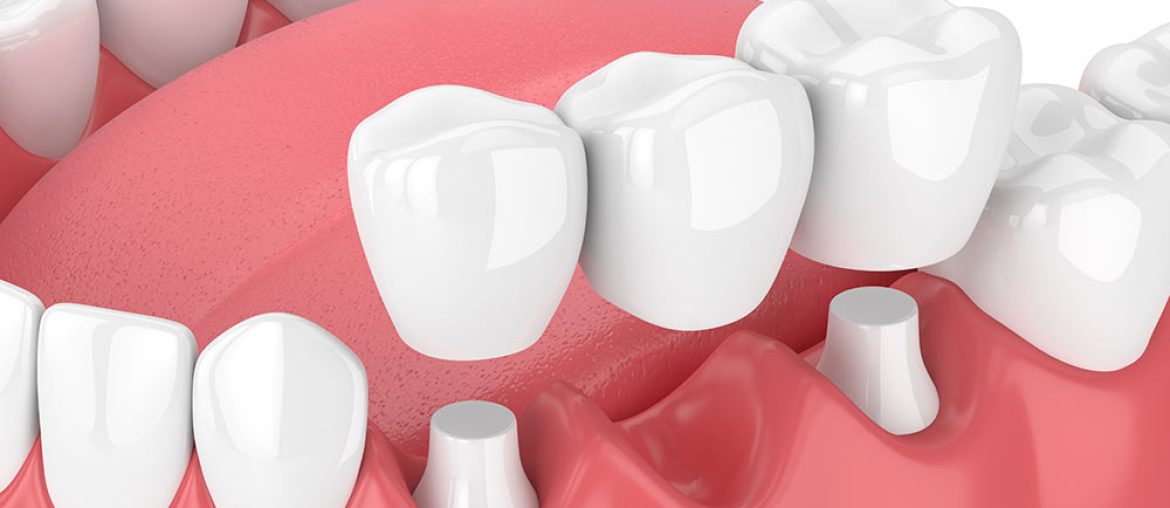

Crown & Bridge:
Dental health plays a crucial role in overall well-being, and missing or damaged teeth can significantly affect both your confidence and oral function. In such cases, Crown & Bridge treatments offer a reliable solution to restore your smile, chewing ability, and dental aesthetics. This blog will provide a detailed understanding of crowns and bridges, their types, procedure, benefits, and care.
What is a Crown?
A dental crown is a tooth-shaped cap placed over a damaged or decayed tooth. It restores the tooth’s shape, size, strength, and appearance. Crowns are often recommended when a tooth has:
- Severe decay that cannot be fixed with a filling
- Cracks or fractures
- Undergoing root canal treatment
- Cosmetic imperfections
Crowns can be made from various materials, including porcelain, ceramic, metal alloys, and zirconia. The choice depends on factors such as durability, location of the tooth, and aesthetic preference.
What is a Bridge?
A dental bridge is used to replace one or more missing teeth. It literally “bridges” the gap between two teeth. Bridges consist of one or more artificial teeth (pontics) anchored by crowns on the adjacent natural teeth (abutments).
Bridges can be a fixed or removable solution, but fixed bridges are more common due to their stability and longevity.
Types of Crowns
- Porcelain-Fused-to-Metal (PFM) Crowns: Combine the strength of metal with the natural look of porcelain.
- All-Ceramic or All-Porcelain Crowns: Provide the most natural appearance; ideal for front teeth.
- Metal Crowns: Made from gold or other metal alloys; very durable but less aesthetic.
- Zirconia Crowns: Extremely strong and natural-looking; suitable for both front and back teeth.
Types of Bridges
- Traditional Bridge: Uses crowns on either side of the gap with a pontic in between; most common type.
- Cantilever Bridge: Anchored on only one side; used when there’s only one adjacent tooth.
- Maryland Bridge: Uses a metal or porcelain framework bonded to the back of adjacent teeth; minimally invasive.
- Implant-Supported Bridge: Supported by dental implants instead of natural teeth; ideal for larger gaps.
When Are Crowns & Bridges Needed?
Crowns and bridges are recommended in various situations:
- Tooth Decay or Damage: When a tooth is severely decayed, cracked, or worn.
- Missing Teeth: To restore functionality and prevent neighboring teeth from shifting.
- Cosmetic Improvement: To enhance the appearance of stained, misshaped, or uneven teeth.
- After Root Canal Treatment: To protect a tooth that has undergone endodontic treatment.
The Procedure for Crowns & Bridges
The process for both crowns and bridges involves several steps, usually completed in 2-3 dental visits:
- Consultation and Examination: The dentist examines your teeth and may take X-rays to assess the health of the underlying structure.
- Tooth Preparation: For a crown, the damaged tooth is reshaped to allow the crown to fit properly. For a bridge, adjacent teeth are prepared to hold the crowns.
- Impressions: A mold of your teeth is taken to create a custom crown or bridge.
- Temporary Crown/Bridge: While your permanent restoration is being made, a temporary crown or bridge protects the prepared teeth.
- Fitting and Cementation: The final crown or bridge is placed, adjusted for proper fit, and cemented permanently.
Benefits of Crowns & Bridges
- Restores normal chewing and speaking ability
- Maintains the shape and alignment of your face
- Prevents remaining teeth from shifting
- Enhances the appearance of your smile
- Durable and long-lasting with proper care
Care for Crowns & Bridges
Taking care of your crowns and bridges is essential for their longevity:
- Brush and floss daily to prevent plaque buildup
- Avoid chewing hard foods or objects that can damage the restoration
- Visit your dentist regularly for check-ups
- Use a fluoride toothpaste to strengthen natural teeth
- If you notice any discomfort or loosening, consult your dentist immediately
Common Misconceptions
- Crowns and bridges are painful: Modern dentistry ensures minimal discomfort; local anesthesia is used during the procedure.
- They need frequent replacement: With proper care, crowns and bridges can last 10–15 years or even longer.
- Only for older patients: Anyone with damaged or missing teeth can benefit from crowns or bridges, regardless of age.
Conclusion
Crowns and bridges are vital dental treatments that restore function, appearance, and confidence. Whether it’s protecting a damaged tooth, replacing missing teeth, or enhancing your smile, these restorations offer a durable and aesthetically pleasing solution.
If you have damaged, decayed, or missing teeth, consulting a dentist for crowns and bridges can significantly improve your oral health and overall quality of life. Don’t let dental problems compromise your smile—explore the benefits of crowns and bridges today!